Field Notes · Brazil, China, the classroom · Gilles Saurais

From Forest to Bow

The quality of a bow is decided in three places, and most of them are out of sight: in the choice of the wood, in the sorting of the hair, and in the gesture of the player who uses it.
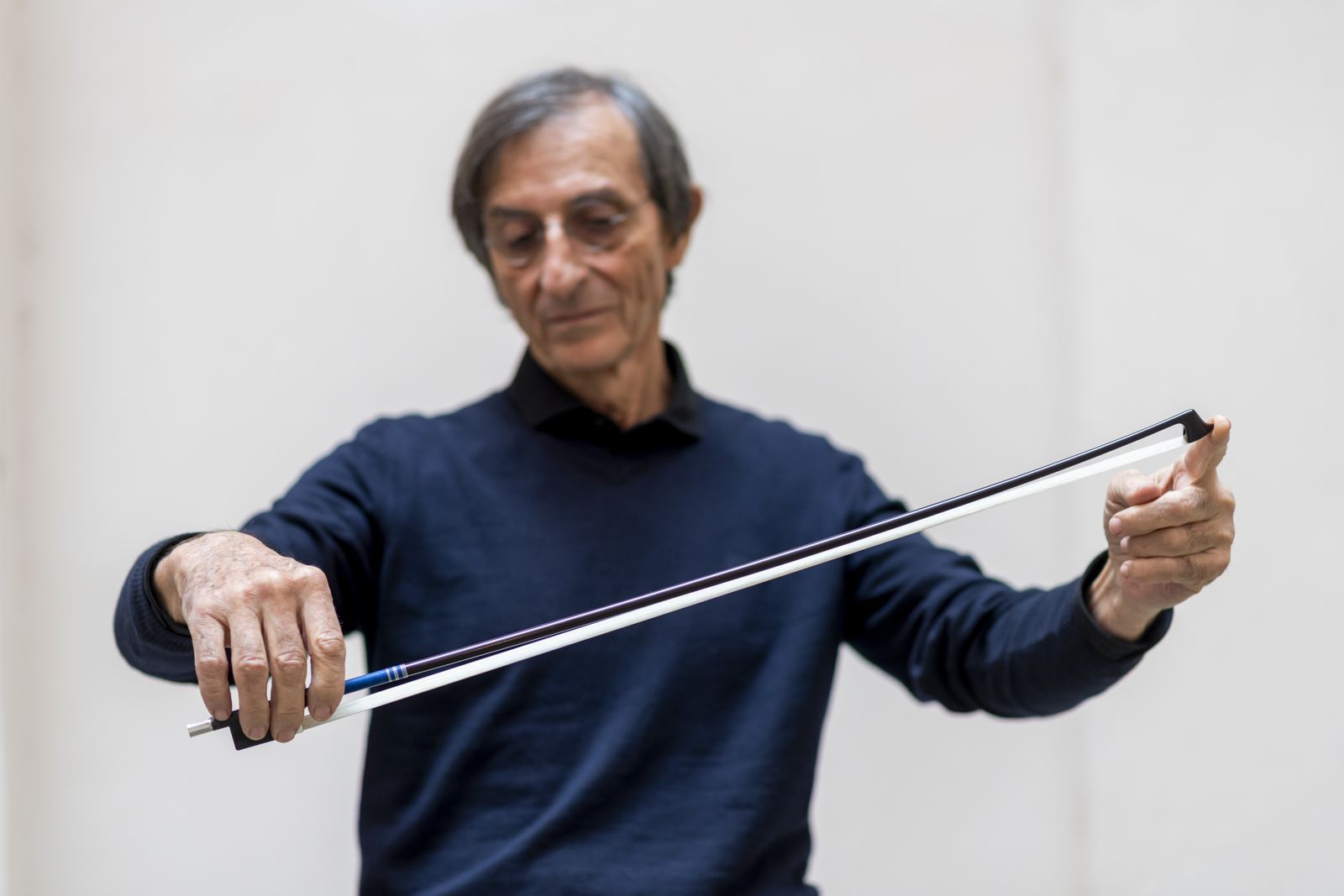
Gilles Saurais holding a bow by the frog and the tip, feeling how the stick responds
Feeling how the stick responds, before any note is played. Photo: Félix Ledru
1 · The wood

Pernambuco, a living tree before it is a material

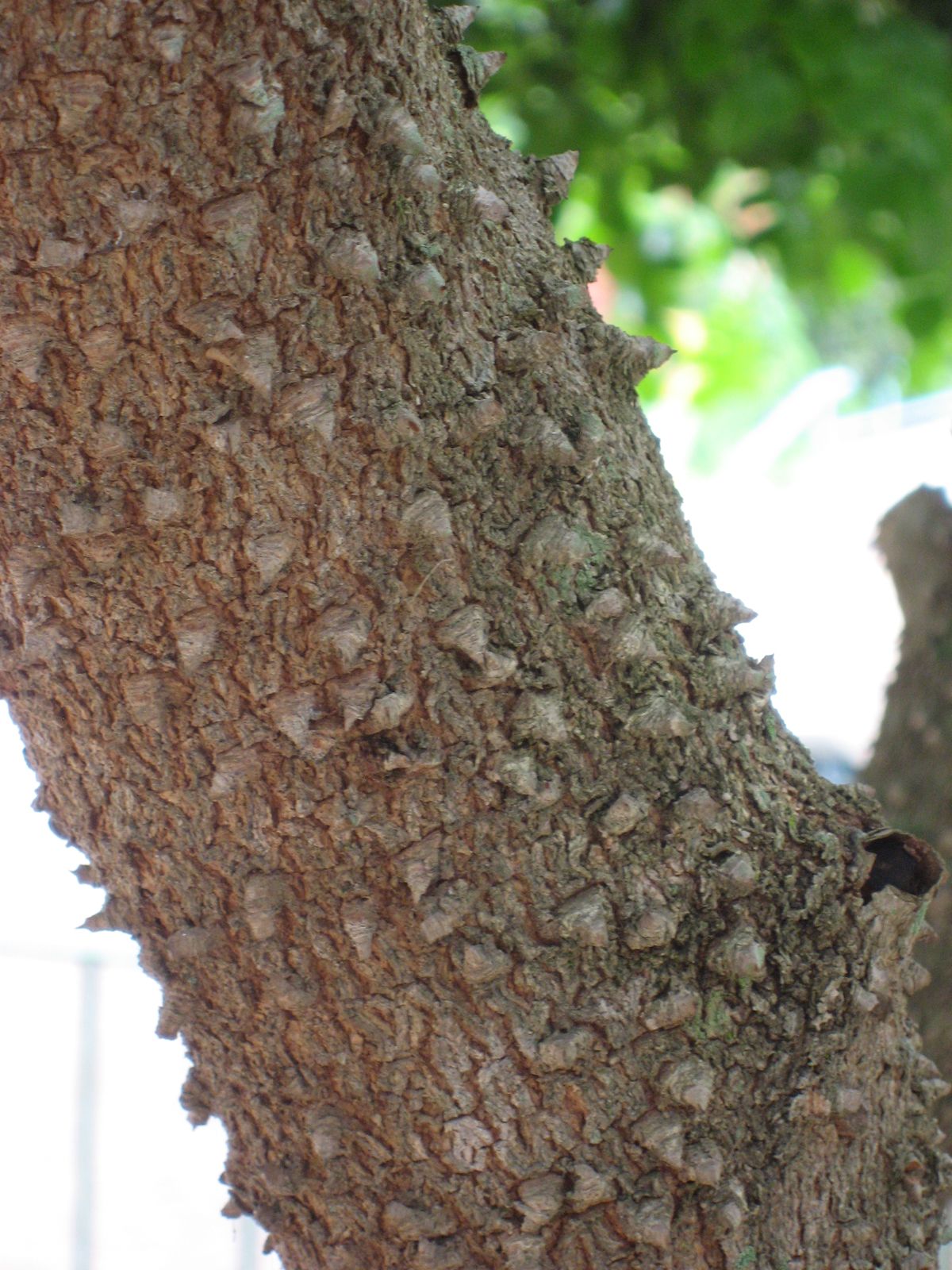
Most musicians play pernambuco for decades without ever seeing the tree. It is a thorny legume of the Brazilian Atlantic forest, with spiny pods and a bark armed with prickles.
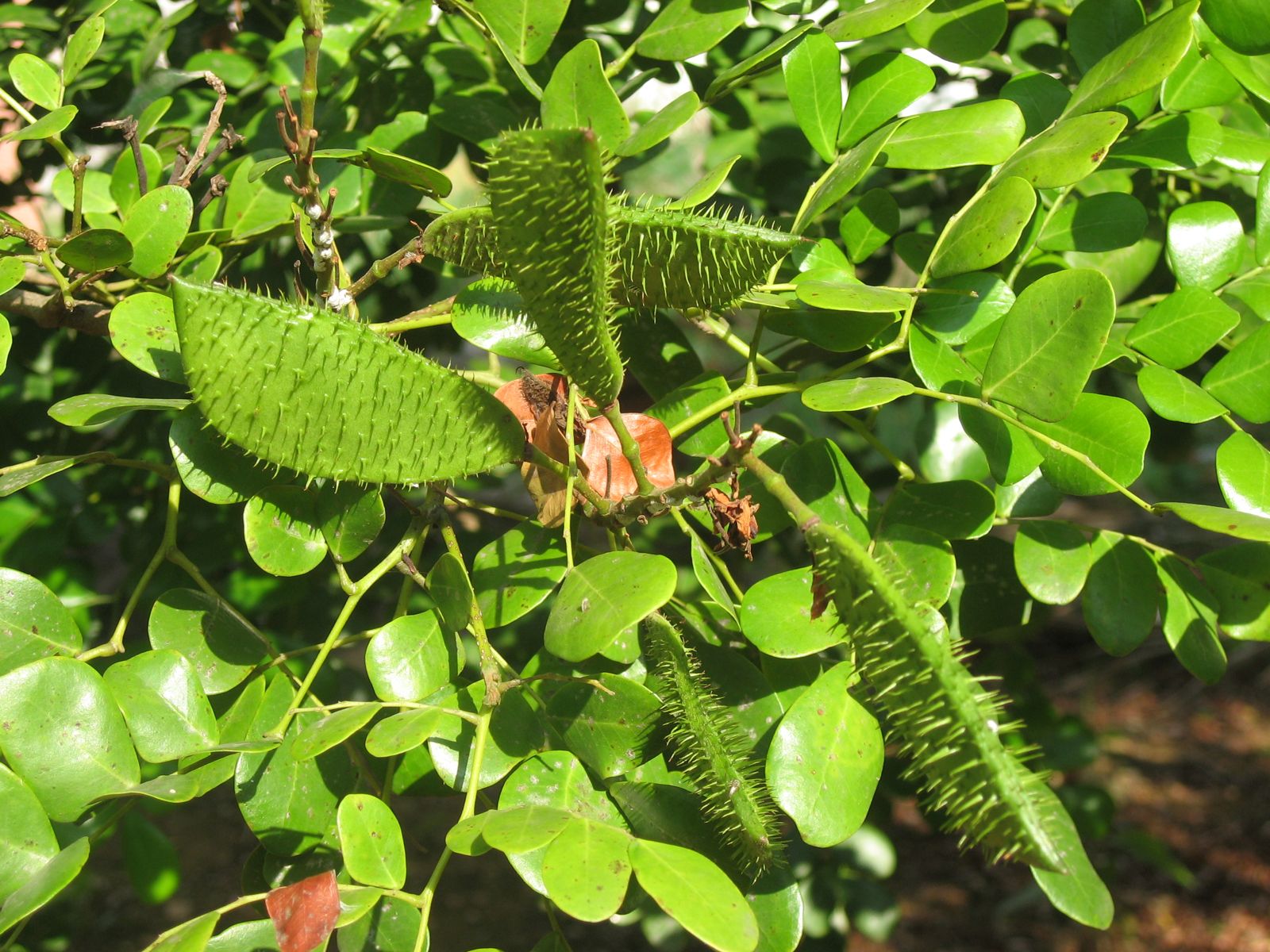
Spiny green seed pods of the pernambuco tree among rounded leaflets
The spiny pods. Brazil.
Close-up of a pernambuco trunk covered in conical prickles
The trunk, armed with prickles.

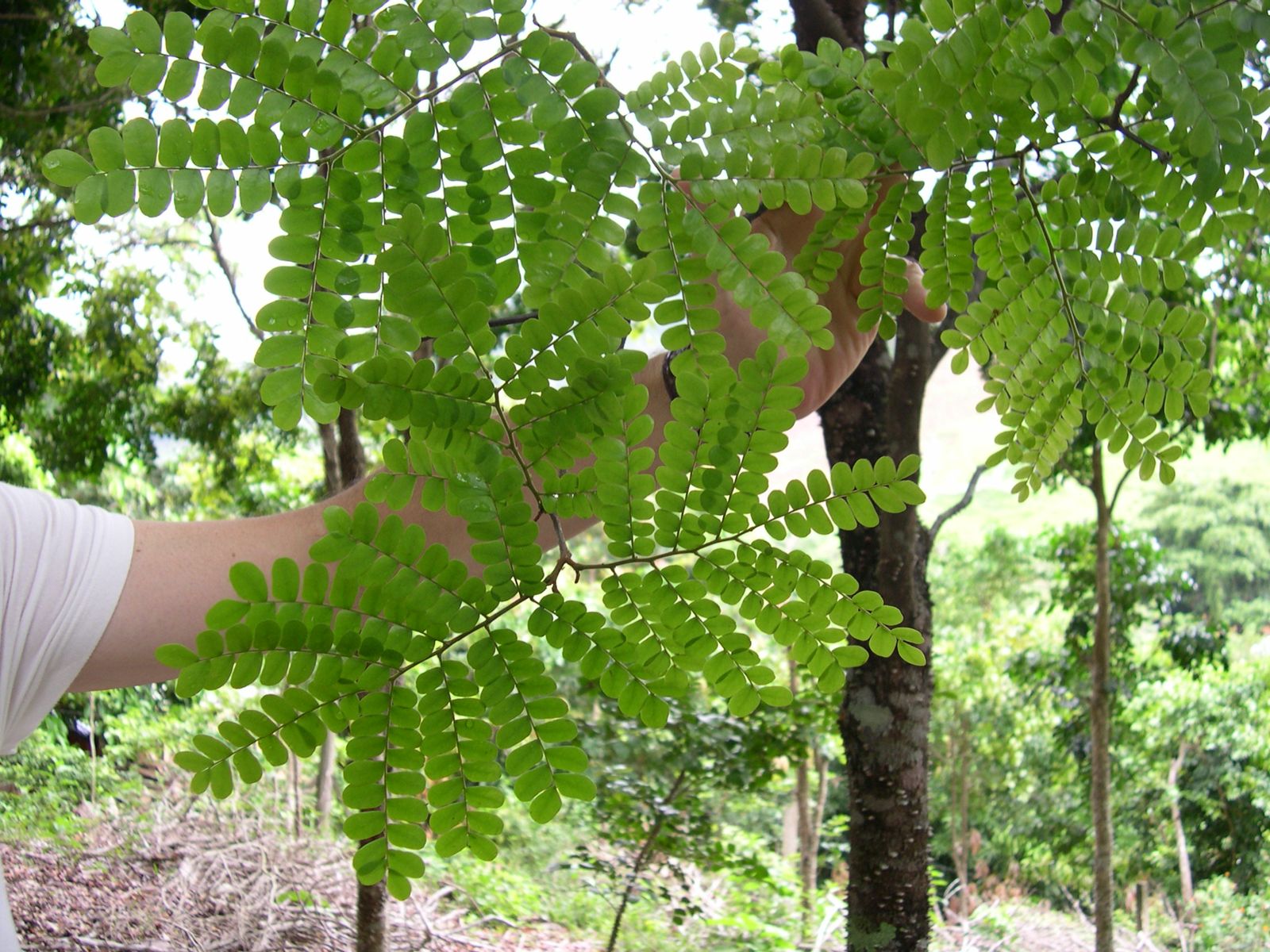
“Pernambuco” is not one uniform material. The species shows very different foliage from one tree to another, from broad leaves to tiny leaflets, and the wood varies as much as the leaves. This is why a bow is defined, for the most part, at the moment the plank is chosen.
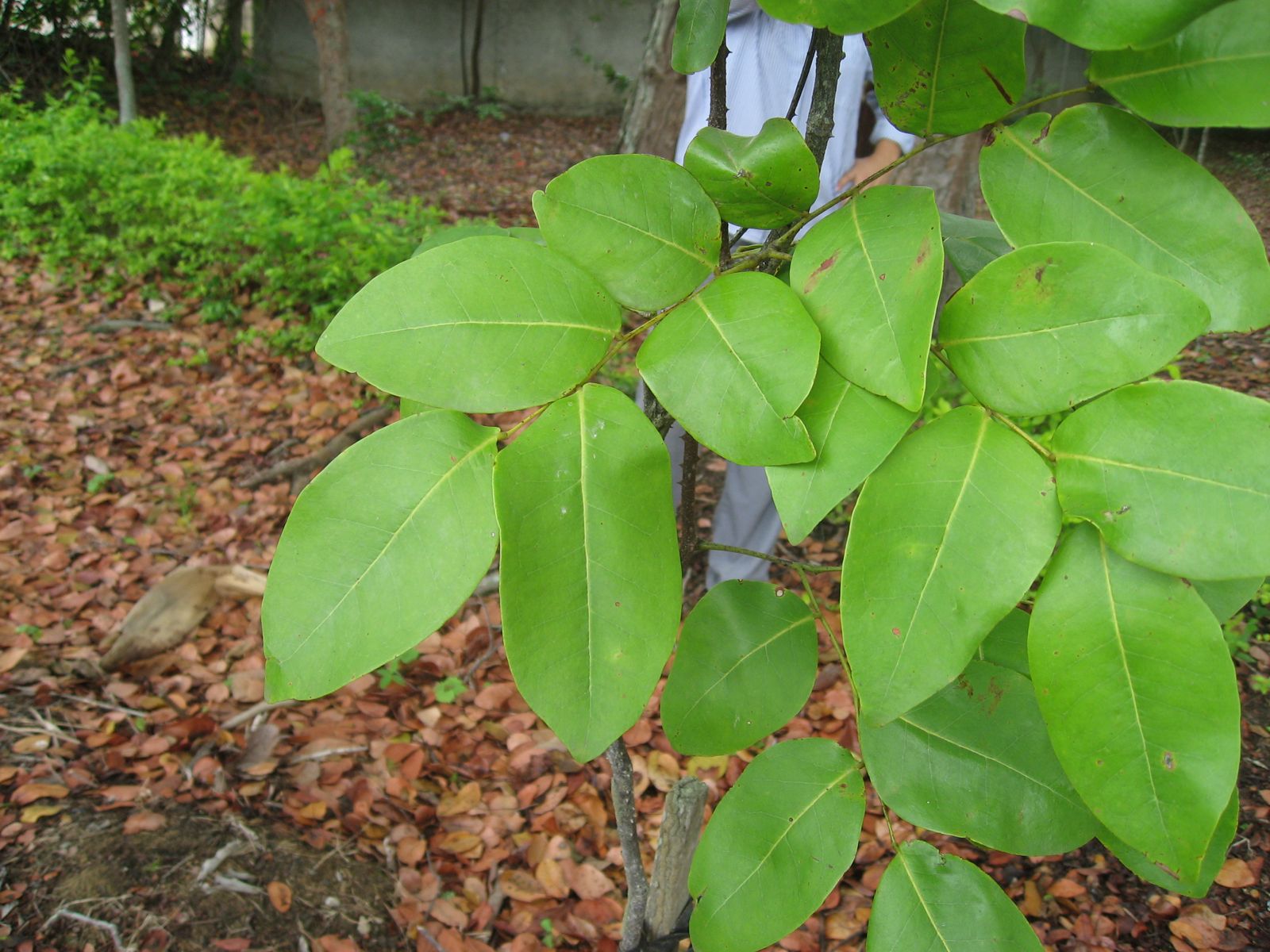
Pernambuco branch with large, broad oval leaflets
Broad leaves.
Pernambuco branch with very small, densely set leaflets held up by hand
Tiny leaflets. Same species, a different tree.
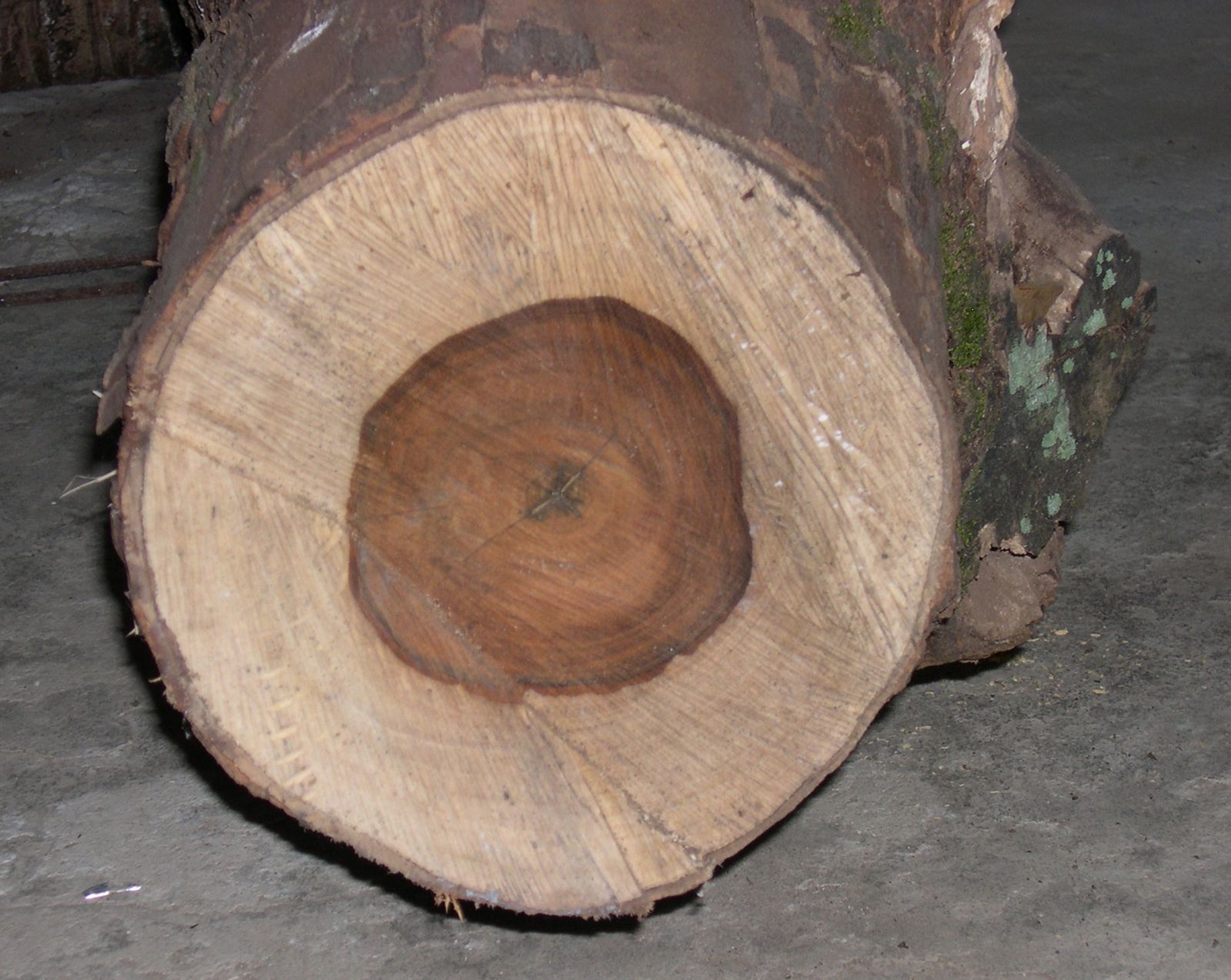
Cross-section of a young pernambuco log: a small red-brown heart surrounded by a wide pale sapwood ring
A young tree, cut too early. The red heartwood, the only part used for bows, is still a small core inside a wide band of pale sapwood. At maturity the heart expands and the sapwood is reduced to a thin outer ring. A plantation does not yield bow wood for a very long time.
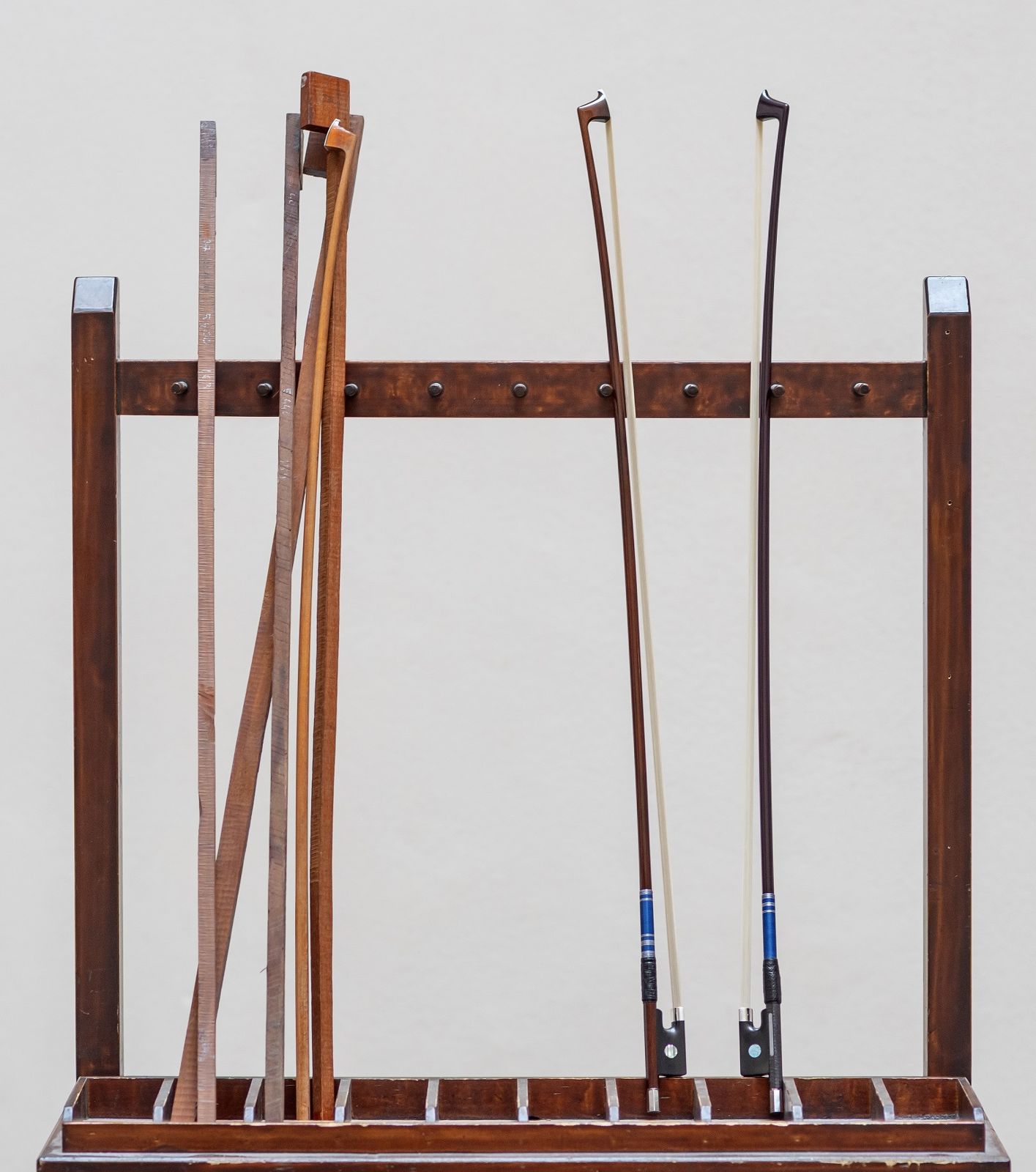
Bow rack holding, on the left, square-cut blanks and a roughed-out stick, and on the right, two finished bows
From the square-cut blank to the finished bow. Everything that follows depends on the plank chosen at the start. Photo: Félix Ledru
2 · The hair

Sorted one hair at a time

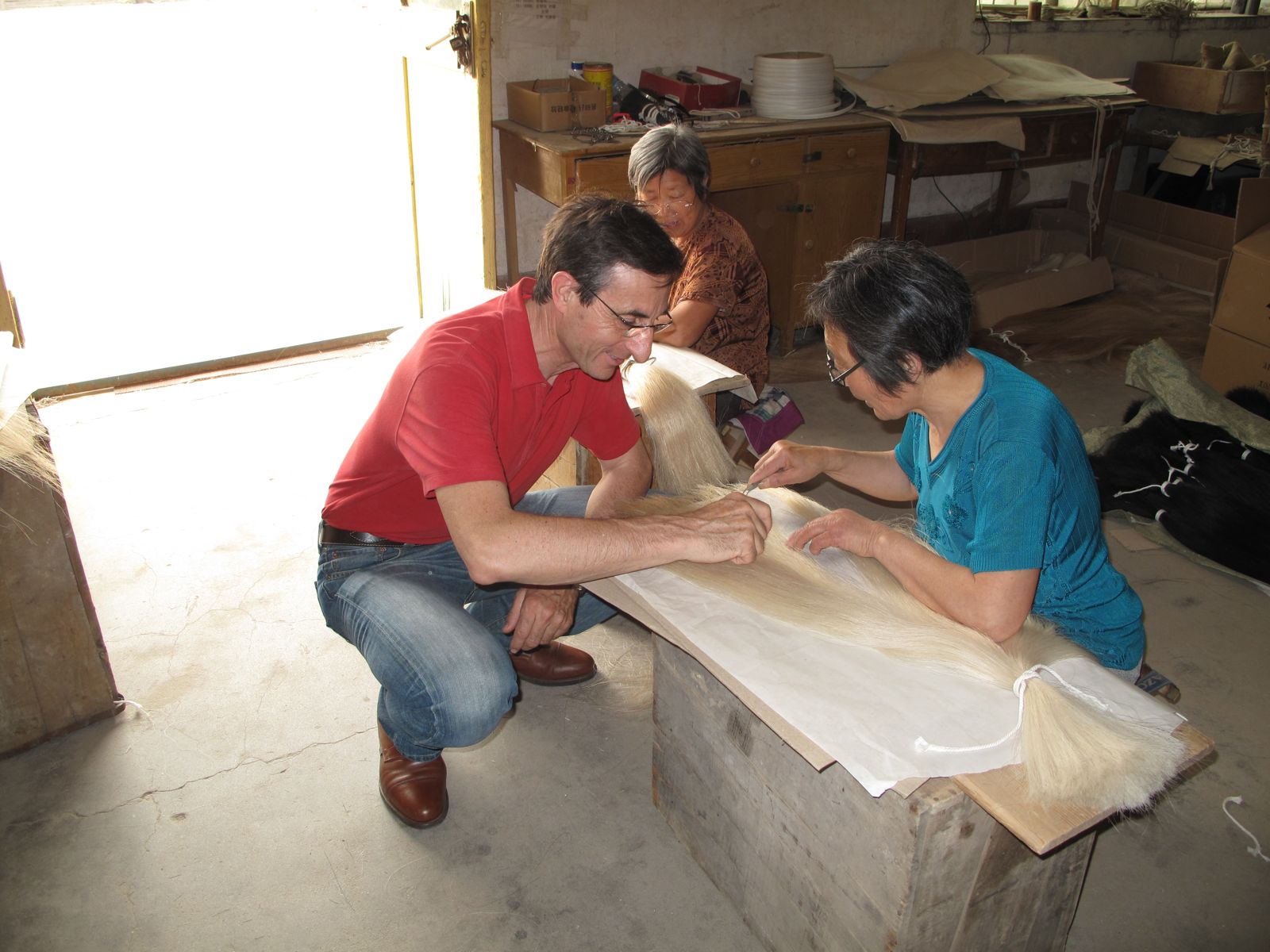
A bow carries a few grams of horsehair. Before it reaches the workshop, that hair has been washed, sorted by thickness, then checked by hand, hair by hair, three times over: once at the top, once in the middle, once at the bottom. The cost lies in this sorting far more than in the raw material — exactly as with the wood.
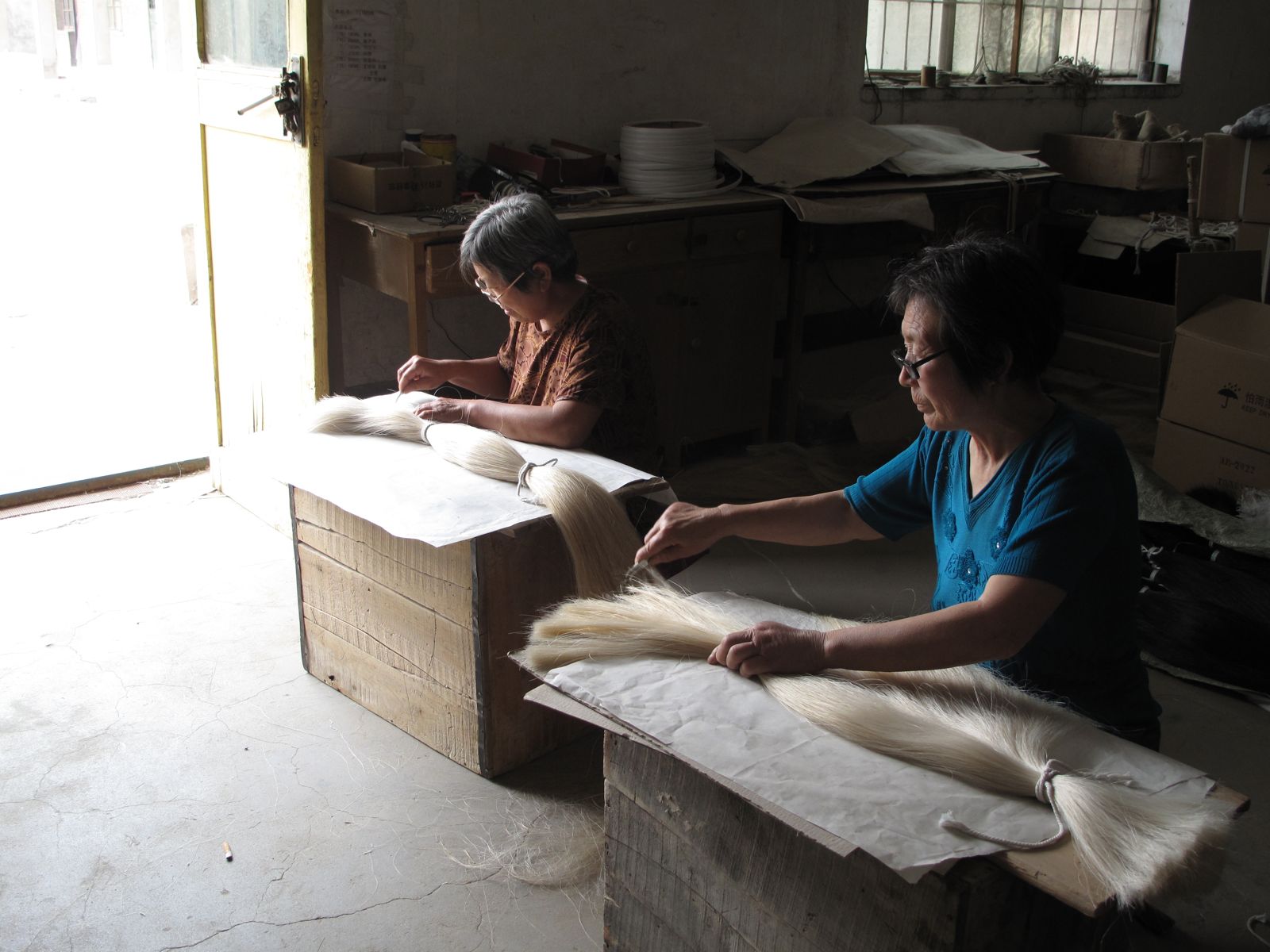
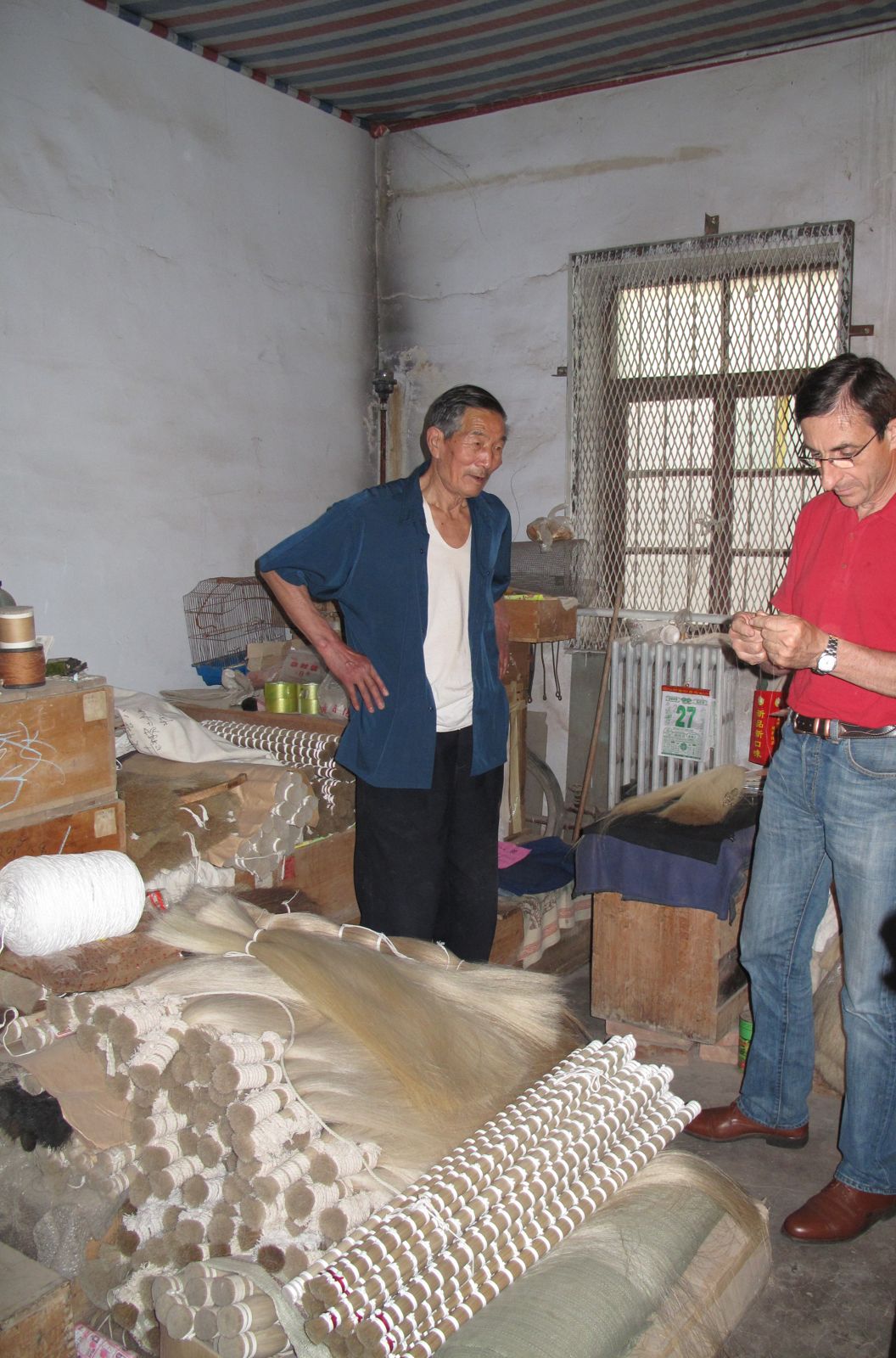
Two women seated at wooden boxes, sorting long hanks of white horsehair by hand
After washing and sorting by thickness, each hair is checked by hand, one at a time, three times over: at the top, the middle and the bottom. Hours of work on low stools for the few grams of hair that go into a single bow. China.
Bundles of raw horsehair stacked in a storeroom, with two men examining a sample
The raw stock.
Gilles Saurais crouching beside a sorter, examining hairs on her table
Checking hair alongside the sorters.
3 · The gesture

A bow is tested on the player, not in the hand

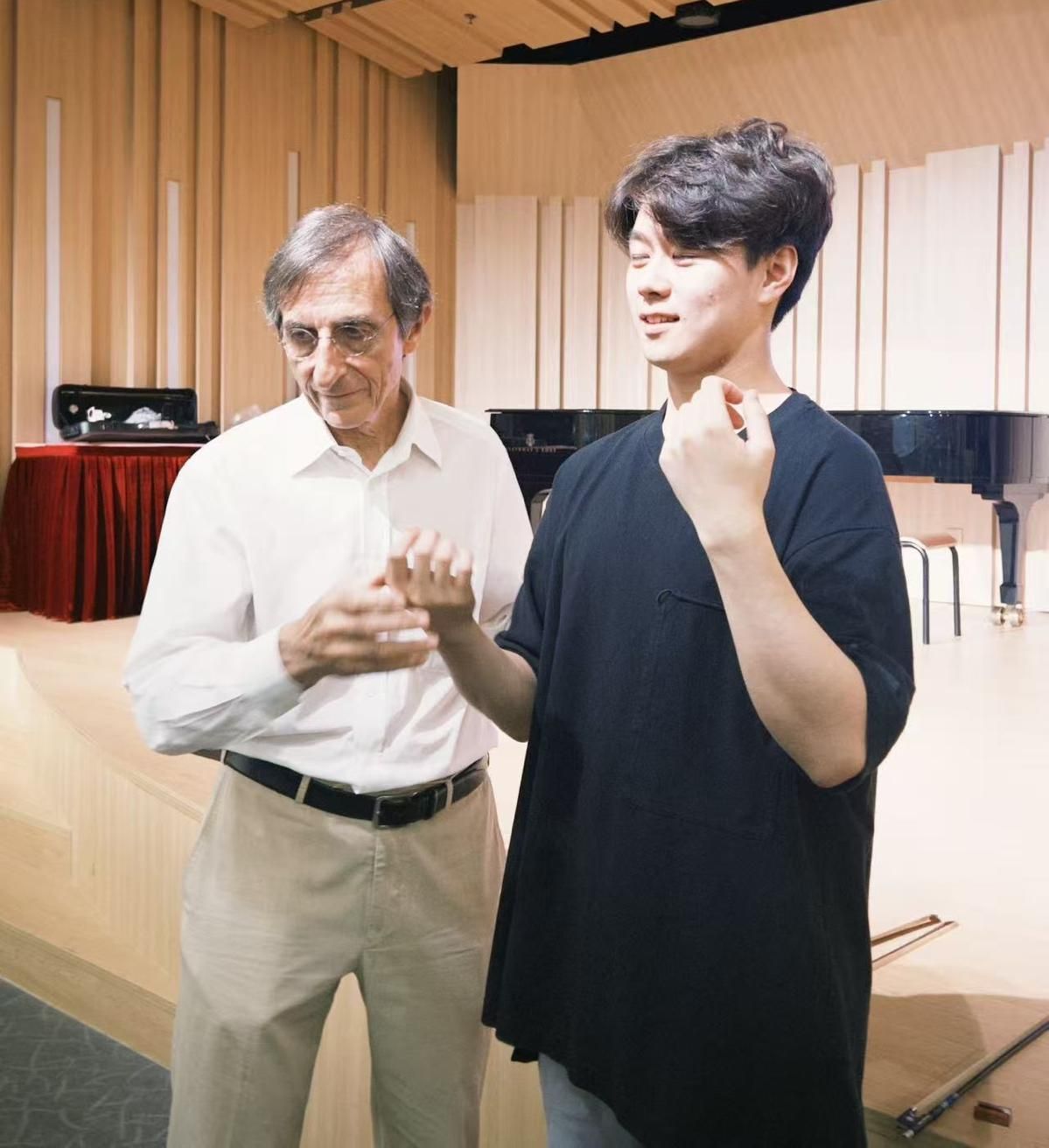
Wood and hair only become sound through a body. The same bow behaves differently in two different arms, and a bow that fights the player’s gesture forces compensations that no amount of practice will undo. This is why the bow is assessed while the student plays, by watching and adjusting the arm, the shoulder and the hand.
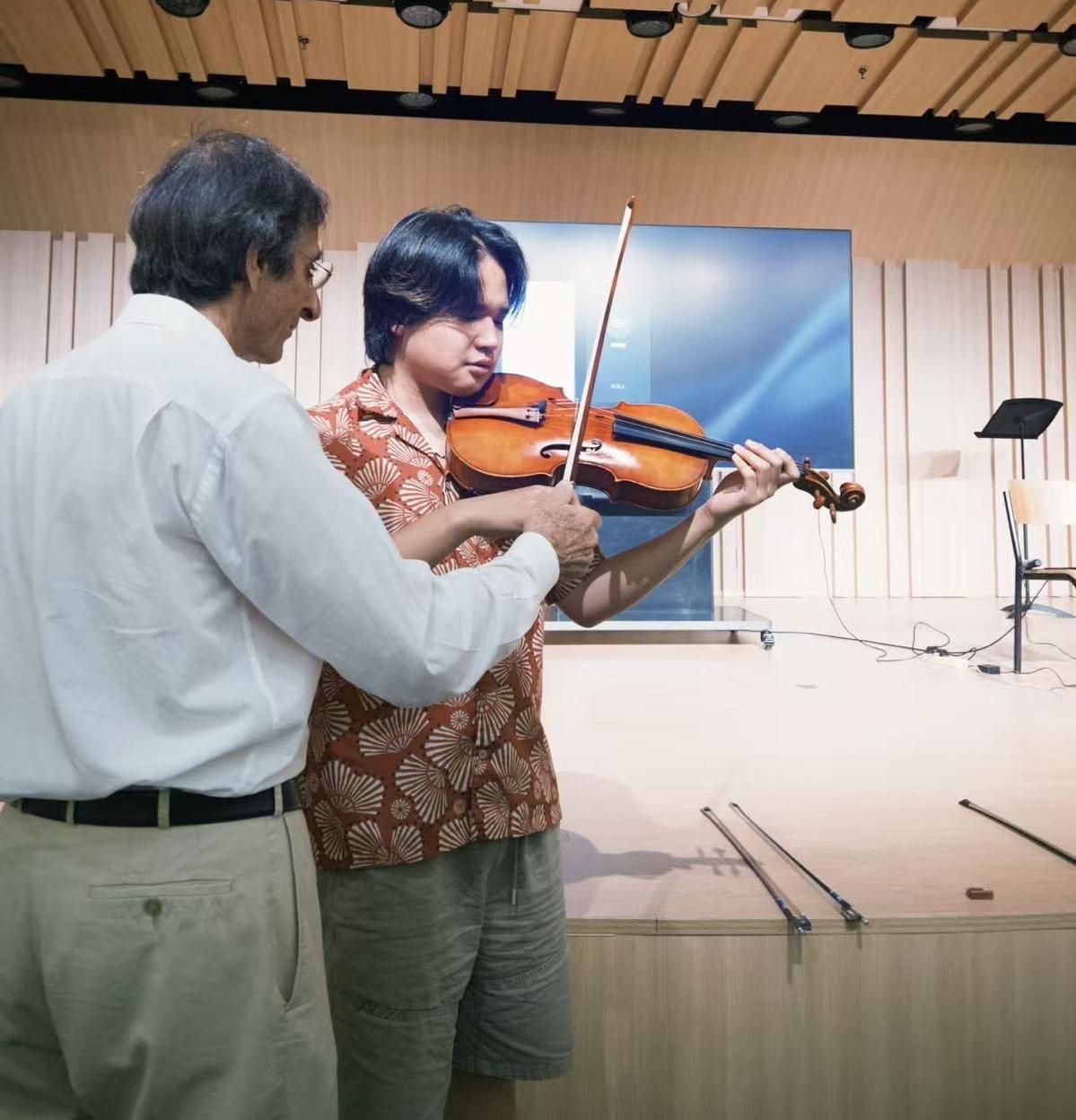
Gilles Saurais standing behind a violin student, guiding the bow arm, with several bows laid out on the stage edge
Adjusting the bow arm while several bows wait to be compared. Shanghai Conservatory of Music, May 2026.
Gilles Saurais and a student facing each other, comparing hand positions without instruments
The hand first, the bow second. Shanghai Conservatory of Music, May 2026.
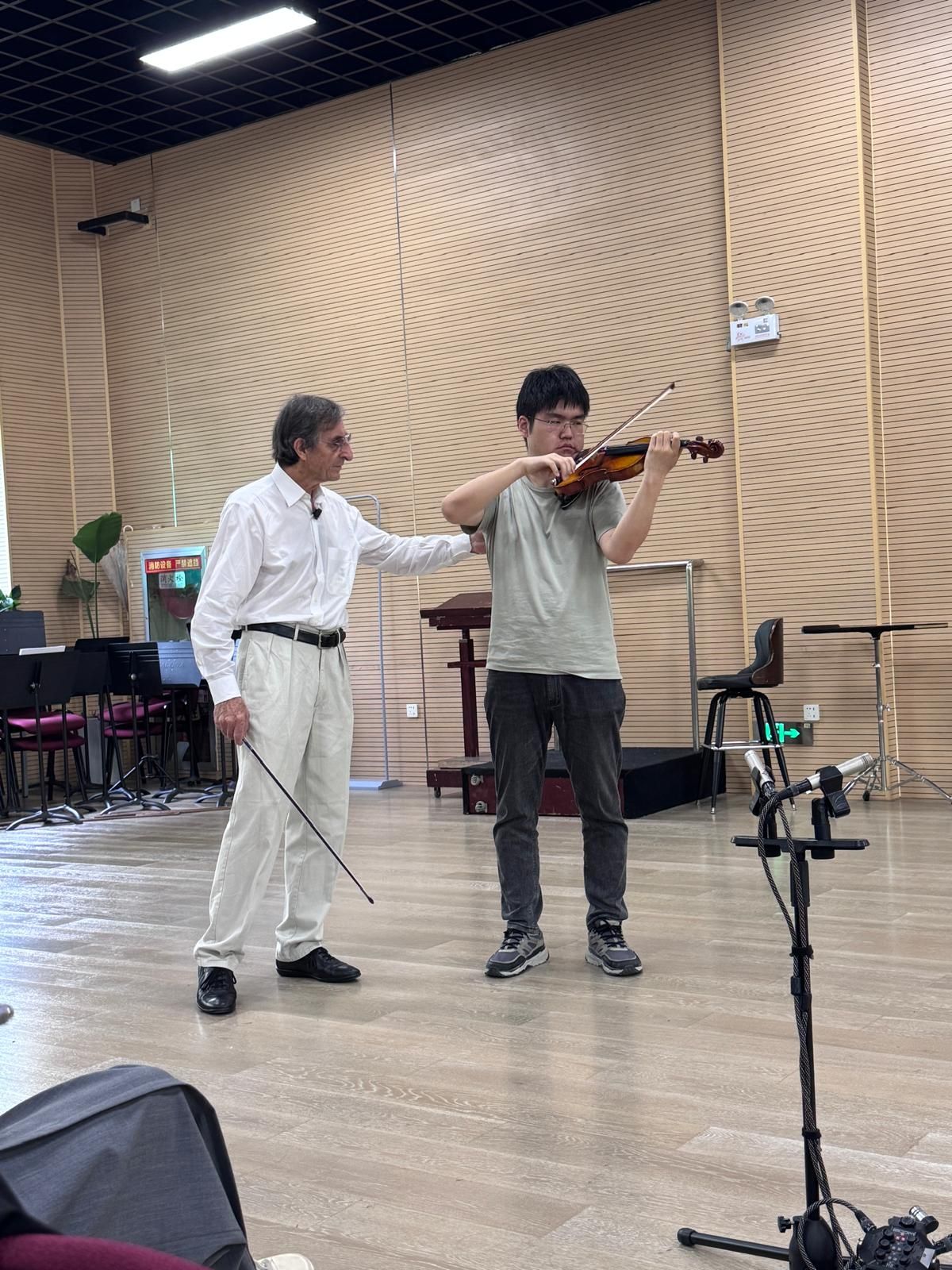
Gilles Saurais with a hand on a violinist's shoulder, recording microphones in the foreground
Listening and recording. Xi’an Conservatory of Music, May 2026.
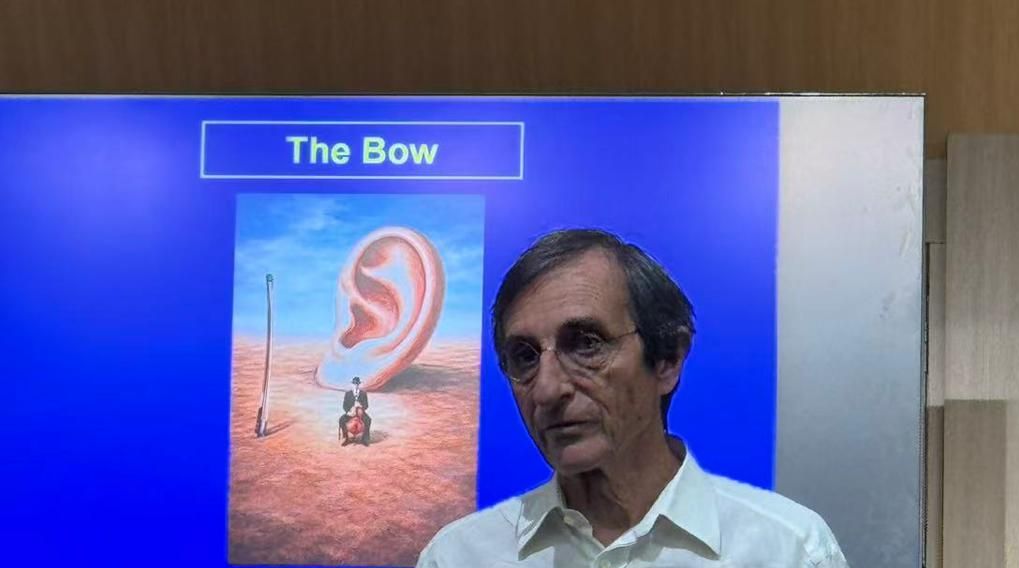
Gilles Saurais lecturing in front of a slide titled The Bow
Lecture, Shanghai Conservatory of Music, May 2026.
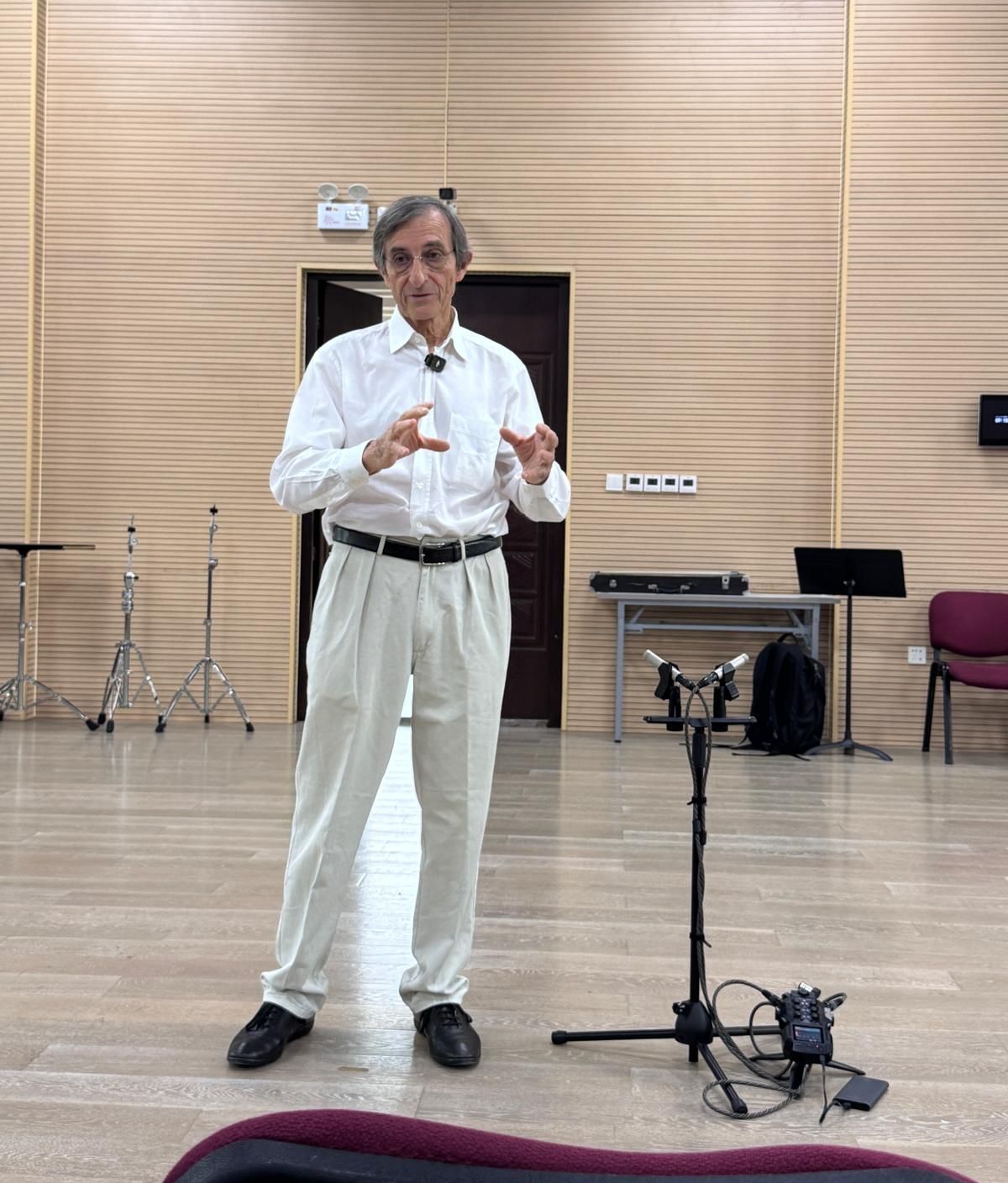
Gilles Saurais speaking in a rehearsal room next to a recording microphone stand
Masterclass, Xi’an Conservatory of Music, May 2026.
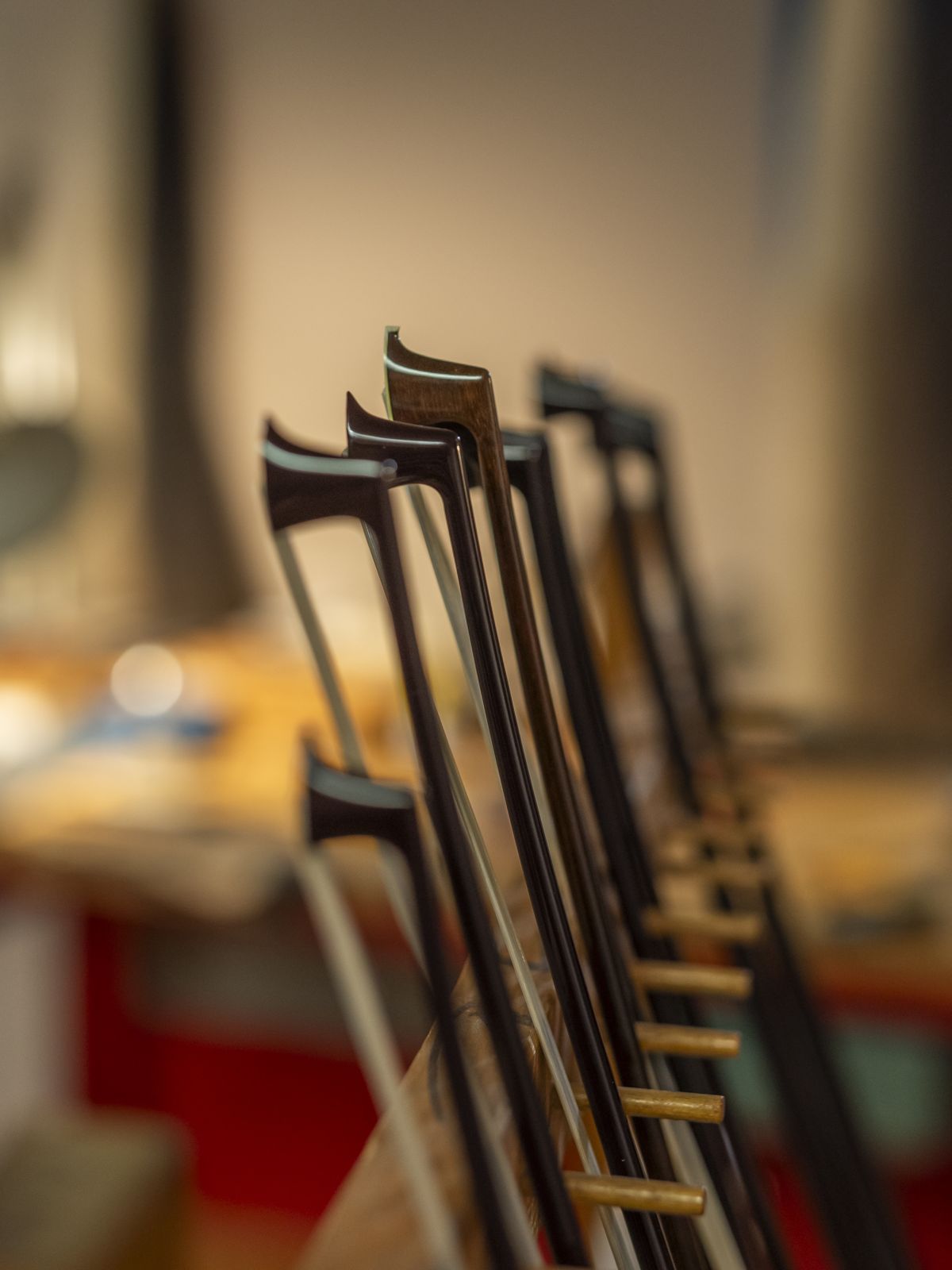
Row of bow heads standing in a rack, in soft focus against the workshop
Bows waiting to be tried. Photo: Félix Ledru

From the forest to the classroom, the same lesson recurs: what matters most in a bow is chosen, sorted and adjusted by hand, and it is invisible to anyone who only looks at the finished object.

← Home