Research
Discover the scientific questions, research programme and current projects that shape the Isophonia initiative.
Understanding how musical thought becomes acoustic reality and how acoustic reality becomes musical experience.
Exploring the chain of transformations linking musical thought, movement, acoustic reality and musical experience.
Why so many beginners learn to play without listening, and how the bow decides it.
The beginner faces two difficulties: the visible one, gesture, and the hidden one, thinking the music. Teaching tackles the first and expects the second to follow. The bow decides how high the first step rises.
Read the note → · Research Note No. 1: Two Clocks, One Student
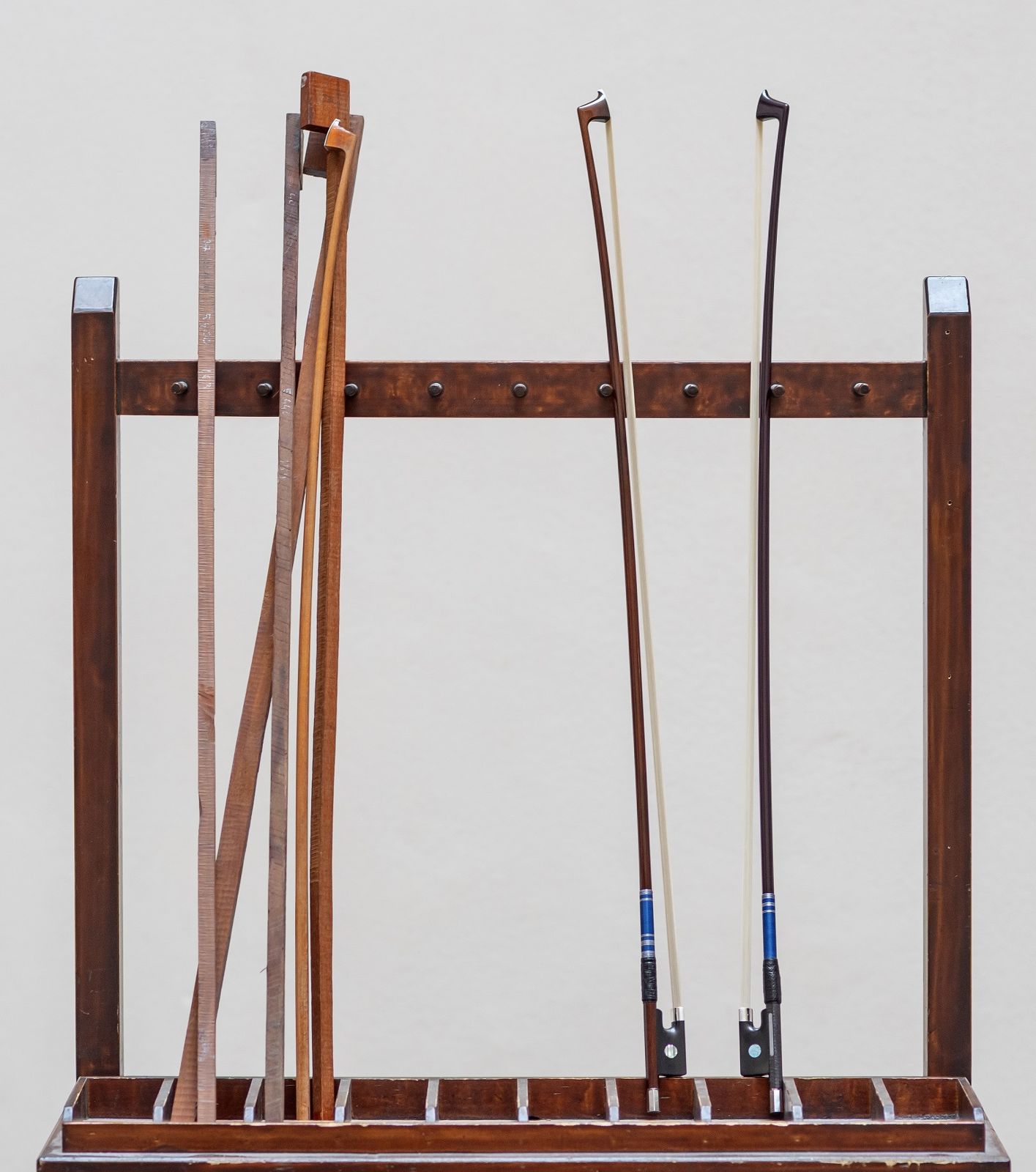
The wood, the hair and the gesture: three places where a bow is decided, most of them out of sight.
Between the musician's first musical intention and the listener's final musical experience lies the chain of transformations. Understanding this chain is the purpose of Isophonia.

Discover the scientific questions, research programme and current projects that shape the Isophonia initiative.
Working papers and research notes, from the bow as acoustic encoder to the gap between teaching and bow making and the first steps of the beginner.
Explore published books, working papers and forthcoming projects on sound, movement and musical performance.